
Real estate in Dubai continues to be one of the most attractive investment destinations in the world. The city’s strategic location, tax‑free environment, and world‑class infrastructure draw local and international investors. However, with rapid growth comes complexity, and one of the most significant challenges in the Dubai property market today is off‑plan disputes and project cancellations. For investors, buyers, and developers alike, understanding real estate developer arbitration in Dubai is crucial to protecting rights and securing fair resolutions.
In this comprehensive guide, we unpack how arbitration works in Dubai real estate disputes, the common types of off‑plan disputes and project cancellations, legal frameworks, best practices, and why choosing experienced legal counsel like Dewey & LeBoeuf LLP makes the difference between winning and losing your case.
What Is Real Estate Developer Arbitration in Dubai?
Real estate developer arbitration in Dubai refers to the legal process used to resolve disputes between buyers, investors, and real estate developers outside of traditional court systems. Arbitration is binding, confidential, and governed by rules that both parties agree to, often included in contracts or purchase agreements.
Unlike litigation, arbitration provides:
- Faster resolution of disputes
- Specialized expertise from arbitrators familiar with real estate laws
- Confidentiality
- Enforceable outcomes under international and UAE law
In Dubai, arbitration has become the preferred route for resolving off‑plan disputes and project cancellations, particularly for foreign investors or where contracts designate arbitration as the dispute resolution mechanism.
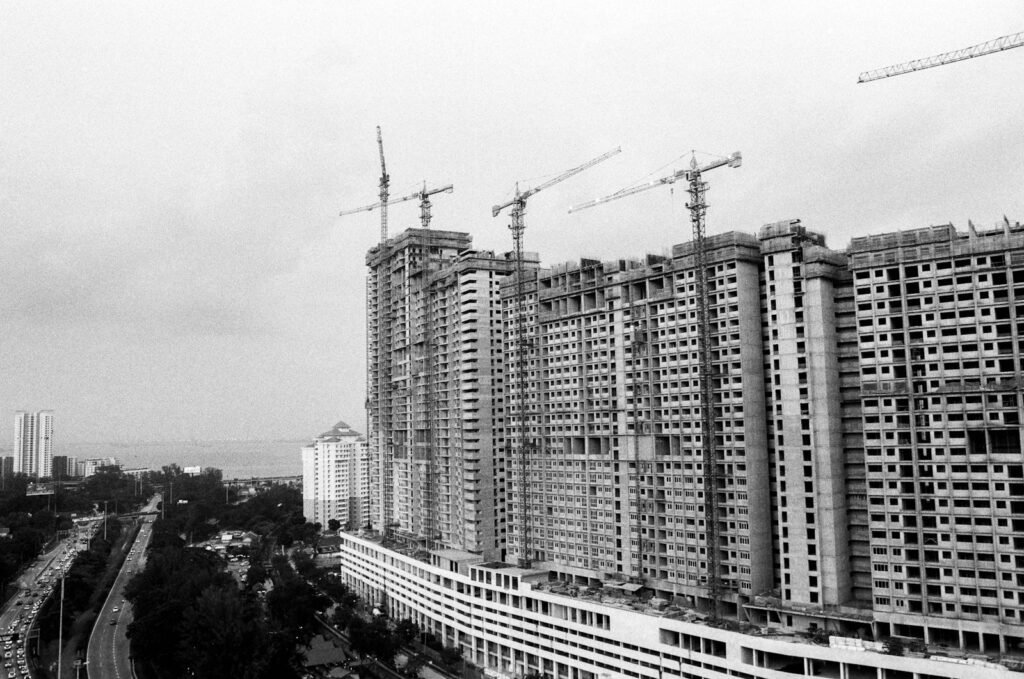
Why Arbitration Matters in Off‑Plan Disputes
What Are Off‑Plan Properties?
Off‑plan properties are units sold before construction is completed or even started. Buyers invest early—often at lower prices—with the expectation that the project will be delivered on time and meet promised specifications.
Off‑plan disputes arise when:
- Projects are delayed without justification
- Developers make changes to design, amenities, or contract terms
- Buyers believe they were misled by marketing or pre‑sale promises
- Project cancellation occurs
In any of these scenarios, arbitration offers a faster and more specialized legal solution than courts.
Common Causes of Off‑Plan Disputes in Dubai
Understanding the root causes helps investors and developers avoid conflict and resolve issues early. The most common causes of off‑plan disputes in Dubai include:
Project Delays
Construction delays are almost inevitable but become legally actionable when deadlines are contractually guaranteed, and buyers suffer financial loss. Delays can affect rental plans, financing, and personal relocation arrangements.
Changes in Project Quality or Specifications
Investors often reserve based on specific architectural style, materials, or amenities. When developers make substantial changes without consent, disputes arise.
Contract Misrepresentation
Some disputes stem from buyers claiming they were misled about the project’s features, size, facilities, or legal approvals. Misrepresentation can lead to arbitration claims for damages or contract cancellation.
Project Cancellations
Project cancellations cause severe financial and emotional stress. Buyers want refunds, compensation for lost opportunity costs, or enforcement of contractual obligations.
Legal Framework Governing Real Estate Arbitration in Dubai
Dubai has established legal structures to support arbitration in real estate, including:
Dubai International Financial Centre (DIFC) Arbitration
The DIFC Courts offer an independent and internationally trusted arbitration framework. Many contracts opt for DIFC arbitration due to neutrality and global enforceability.
Dubai International Arbitration Centre (DIAC)
DIAC is one of the most common arbitration institutions in the UAE. Its rules are designed for commercial and real estate disputes, including off‑plan matters.
UAE Federal Arbitration Law
UAE Federal Law No. (6) of 2018 regulates arbitration procedures across the UAE. This law harmonizes domestic arbitration practices with global standards and facilitates enforcement.
How Arbitration Works for Off‑Plan Disputes
Step 1: Arbitration Clause in Contract
Most real estate contracts for off‑plan units include an arbitration clause specifying:
- Arbitration institution (e.g., DIAC or DIFC)
- Number of arbitrators
- Language of arbitration
- Governing law
If your contract already contains this clause, arbitration begins by invoking it.
Step 2: Notice of Arbitration
A formal Notice of Arbitration must be served to the other party. This document outlines:
- Nature of the dispute
- Relief sought
- Arbitration rules to be applied
Step 3: Appointment of Arbitrators
Parties select arbitrators based on qualifications in real estate law, construction contracts, or related commercial areas. A panel typically consists of one to three arbitrators.
Step 4: Arbitration Proceedings
Unlike public litigation, arbitration is private. Hearings are scheduled, evidence is presented, and both parties make legal arguments. Arbitrators examine:
- Contract terms
- Correspondence
- Construction reports
- Expert testimony
Step 5: Final Award
Once deliberations are complete, arbitrators issue a binding award. Awards can order:
- Compensation or damages
- Specific performance (e.g., forcing delivery)
- Contract cancellation and refund
Arbitration awards are enforceable under international treaties and UAE law, including the New York Convention.
Project Cancellations: What Buyers Need to Know
Project cancellations are among the most complex and contentious real estate disputes in Dubai. When a developer cancels a project, buyers often face:
- Loss of deposits
- Increased financing costs
- Costs from delayed relocation or investment income
In arbitration, buyers can claim:
- Full refund with interest
- Compensation for actual losses
- Legal costs
The strength of your case depends on contract terms, communications, and the developer’s compliance with regulatory approvals.
What Developers Need to Know
Developers face disputes too. Common arbitration claims against developers include:
- Accusations of delay without reasonable cause
- Claims of misrepresentation
- Breach of contract for promised facilities or quality
Developers need robust documentation, clear updates to buyers, and transparency to reduce arbitration exposure.
Practical Tips for Buyers and Developers
For Buyers
- Review your contract carefully before signing
- Ensure arbitration clauses are fair and clear
- Maintain all correspondence and payment receipts
- Engage legal counsel early when disputes arise
For Developers
- Set realistic project timelines
- Communicate changes proactively
- Use clear marketing language to avoid misinterpretation
- Prepare contract templates that protect your legal position and manage buyer expectations

Common Challenges in Arbitration for Off‑Plan Disputes
Even though arbitration is faster and more specialized than court litigation, there are unique challenges in off‑plan property disputes. Buyers and developers often encounter:
- Incomplete or ambiguous contracts – Many off‑plan agreements lack precise clauses about delays, penalties, or project changes. This can complicate the arbitration process.
- Evidence gathering difficulties – Buyers must prove misrepresentation or loss, while developers must show compliance with construction timelines and approvals.
- High legal costs – Arbitration can be expensive if multiple arbitrators, expert witnesses, or international consultations are involved.
- Cross-border enforcement – Investors from abroad may face challenges enforcing arbitration awards outside the UAE, though the New York Convention provides mechanisms for recognition.
Understanding these challenges upfront allows parties to prepare properly, strengthen their cases, and minimize disputes.
The Role of Expert Witnesses in Real Estate Arbitration
Expert testimony is often decisive in real estate developer arbitration in Dubai. Arbitrators rely on experts to assess:
- Construction quality and timelines
- Architectural and engineering compliance
- Market valuations and financial loss
- Regulatory approvals and legal standards
For instance, in off‑plan project disputes, a construction expert can testify whether delays were reasonable or if developers failed to meet contractual obligations. Engaging qualified experts early can turn a complex dispute into a clear, compelling case.
Arbitration vs Litigation: Why Arbitration Wins for Off‑Plan Disputes
While some buyers or developers may consider going to court, arbitration is often the better choice for off‑plan disputes. Key advantages include:
- Speed – Arbitration typically concludes faster than court litigation, especially for complex real estate matters.
- Expertise – Arbitrators specialize in real estate and construction, unlike generalist judges.
- Confidentiality – Arbitration proceedings are private, protecting your reputation and business interests.
- Flexibility – Procedures and timelines can be tailored to the complexity of the dispute.
- Cross-border enforceability – International investors benefit from awards recognized under the New York Convention.
For both developers and investors, arbitration reduces uncertainty and protects business relationships while achieving binding results.
Strategies to Prevent Off‑Plan Disputes
The best way to deal with arbitration is to avoid disputes altogether. Preventive strategies include:
- Transparent marketing and contracts – Ensure all project promises, specifications, and timelines are clearly documented.
- Regular project updates – Keep buyers informed of delays, design changes, or regulatory issues.
- Escrow accounts and regulatory compliance – Using escrow accounts for payments increases buyer confidence and limits potential conflicts.
- Early dispute resolution clauses – Include clear mechanisms in contracts for negotiation or mediation before arbitration.
- Legal due diligence – Buyers should verify developer licenses, project approvals, and prior dispute history before investing.
Proactive steps can drastically reduce the number of off‑plan disputes escalating to arbitration.
Compensation and Remedies in Off‑Plan Arbitration
Arbitration can result in multiple forms of remedies for buyers and developers:
- Monetary compensation – For delays, misrepresentation, or project cancellations.
- Specific performance – Ordering developers to complete a project or deliver promised features.
- Contract rescission – Buyers can cancel agreements and receive refunds.
- Interest and legal costs – Compensation can include interest on delayed refunds and arbitration-related costs.
- Settlement negotiations – Arbitration often encourages parties to negotiate settlements mid-process to save time and costs.
Understanding the range of remedies ensures that buyers and developers set realistic expectations and pursue the best legal outcomes.
Why Choose Expert Arbitration Lawyers in Dubai
Real estate developer arbitration in Dubai is not simple. It involves contractual interpretation, local regulations, evidence management, and negotiation skills. If mishandled, you risk losing claims or overpaying in damages.
Dewey & LeBoeuf LLP offers:
- Deep experience in Dubai real estate law
- Expertise in DIAC and DIFC arbitration procedures
- Proven track record handling off‑plan disputes and cancellations
- Strategic legal representation tailored to your business needs
Whether you are a buyer seeking compensation or a developer defending claims, you need a law firm that can think ahead, argue fiercely, and negotiate settlements that protect your rights.
FAQs About Real Estate Developer Arbitration in Dubai
What is off‑plan property arbitration?
Off‑plan property arbitration is a legal process used to resolve disputes between buyers and developers over properties sold before construction completes, typically outside courts and through a neutral arbitrator.
When should I initiate arbitration?
Start arbitration when negotiation fails, your contract mandates arbitration, or your rights are at risk due to delays, misrepresentation, or cancellations.
Is arbitration faster than court proceedings?
Yes. Arbitration in Dubai can resolve disputes more quickly than court litigation and is less formal, with scheduled hearings and strict timelines.
Can arbitration decisions be enforced internationally?
Yes. Dubai arbitration awards are enforceable in jurisdictions that recognize the New York Convention, making them powerful for cross‑border investors.
Do I need a lawyer for real estate arbitration?
Absolutely. Arbitration involves legal interpretation, document preparation, and presentation skills. Skilled arbitration lawyers significantly improve the chances of a favorable outcome.
Conclusion
Real estate investment in Dubai offers immense potential, but off‑plan disputes and project cancellations are real challenges that demand serious legal know‑how. Real estate developer arbitration in Dubai is the best route for many buyers and developers seeking fair, binding resolutions outside conventional courts.
If you are facing an off‑plan dispute or project cancellation, you need legal counsel who understands the nuances of Dubai’s real estate arbitration landscape. Dewey & LeBoeuf LLP has the experience, the insight, and the fighting spirit to protect your interests and secure the outcome you deserve.
Contact us today for a consultation and take control of your real estate dispute before it costs you more.
E-mail: info@deweyleboeuf.com
Phone: +971 58 690 9684
Address: Office M 1003, Al Shmookh Business Center, UAQ FTZ, Umm Al Quwain, UAE