
Starting an import export business in the UAE is one of the most profitable investments for entrepreneurs, foreign investors and companies looking to expand into global trade markets. The United Arab Emirates is a world-class trading hub strategically positioned between Asia, Europe and Africa. Whether you want to trade from Dubai, Abu Dhabi, Sharjah, Ajman, Ras Al Khaimah or any other Emirate, the UAE offers unmatched infrastructure, simplified regulations and a business-friendly environment that makes trade operations smooth and scalable.
At Dewey & LeBoeuf LLP, we help investors and business owners build secure, compliant and future-ready trading companies in the UAE. Our legal team supports clients across Dubai, the United Kingdom, Singapore and Bangladesh, ensuring every international business meets the highest regulatory standards.
Below is a complete, detailed, human-friendly and SEO-optimized guide on how to start an import export business in the UAE.

Why the UAE is the Best Place to Start an Import Export Business
The UAE has positioned itself as a global powerhouse for trade. Every Emirate, including Dubai, Abu Dhabi, Sharjah, Ajman and Ras Al Khaimah, offers strong commercial ecosystems that help companies expand with ease.
1. Strategic Global Location
The UAE is centrally located between East and West, allowing businesses to access over 2 billion consumers in Asia, Africa and Europe within a few hours of flight time.
2. World-Class Infrastructure
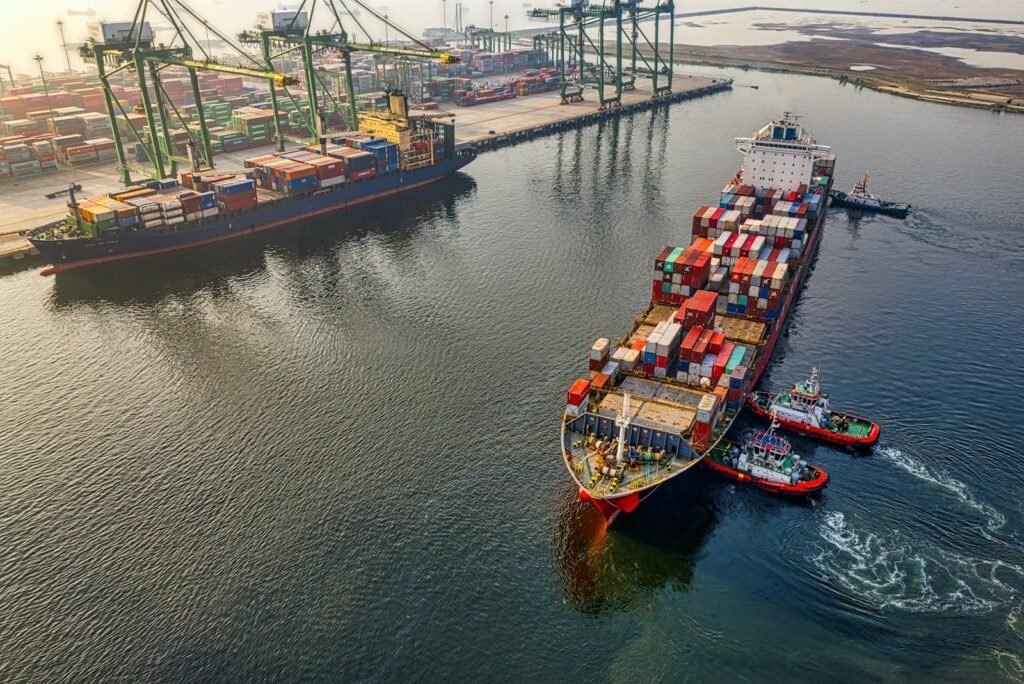
Whether it is Jebel Ali Port in Dubai, Khalifa Port in Abu Dhabi or Sharjah’s Khorfakkan Port, the UAE has some of the world’s busiest and most advanced ports and airports.
3. Zero Income Tax for Individuals
The UAE offers zero personal income tax and competitive corporate tax structures, giving businesses greater profit margin and financial efficiency.
4. Flexible Business Ownership
Foreign investors can own up to 100 percent of their trading company in many jurisdictions across the Emirates.
5. Stable, Safe and Business-Friendly Environment
The UAE is known for safety, political stability, strong governance and investor protection. This allows companies to operate with confidence.
Types of Import Export Licenses in the UAE
Before starting your business, you need to decide which trading license best fits your business model.
1. Commercial Trade License
This is the most common option for companies planning to import or export goods across borders. It allows the trading of multiple product categories.
2. General Trading License
A general trading license offers the flexibility to trade in a wide variety of goods, including items unrelated to each other. Many import-export companies choose this license for broader operations across Dubai, Sharjah or Abu Dhabi.
3. Free Zone Trading License
Free zones are popular for businesses that want to trade internationally without focusing on the local UAE market. They also offer benefits such as tax exemptions and simplified customs procedures.
4. Mainland Trading License
This allows businesses to trade freely within the UAE and internationally. Companies operating in Dubai Mainland, Abu Dhabi Mainland or Sharjah Mainland often choose this license for full commercial flexibility.
Step-by-Step Guide to Starting an Import Export Business in the UAE
Below is a simple and structured roadmap for establishing your trading company in any UAE Emirate.
Step 1: Choose Your Emirate and Jurisdiction
Selecting where to establish your business is the first major decision. Each Emirate offers distinct advantages.
Why Dubai
Dubai offers easy global connectivity, top-tier ports and a strong commercial ecosystem. It’s ideal for large-scale import export operations.
Why Abu Dhabi
Abu Dhabi offers stability, strong regulations and growing industrial zones. It is a preferred choice for energy, machinery and bulk trading businesses.
Why Sharjah
Sharjah is cost-effective and strategically located between Dubai and the Northern Emirates. It is preferred for industrial products and manufacturing-related import export businesses.
Why Ras Al Khaimah and Ajman
These Emirates offer affordable setup costs and efficient logistics facilities, perfect for small and medium trading companies.
Step 2: Select Your Business Structure
You can set up as:
- Sole Establishment
- Limited Liability Company
- Free Zone Company
- Branch of a Foreign Company
Foreign investors often choose LLCs or Free Zone companies due to operational flexibility and full ownership options.
Step 3: Select Your Trading Activities
Choose the goods you want to import or export. These may include:
- Electronics
- Textiles
- Machinery
- Food and beverages
- Construction materials
- Auto parts
- Medical equipment
- Consumer products
Ensure the activity list aligns with the UAE’s approved commercial categories.
Step 4: Choose a Company Name
Your business name must follow UAE naming guidelines. It should not include offensive words, religious references or global organization names without permission.
Step 5: Apply for the Trade License
You will submit your license application to the concerned authority, which may include:
- Department of Economic Development (DED) in Dubai
- Abu Dhabi DED
- Sharjah Economic Development Department
- Or the Free Zone Authority
Dewey & LeBoeuf LLP can manage the entire license process from start to finish to ensure full compliance.
Step 6: Obtain Import Export Code (IEC)
The Importer-Exporter Code is mandatory for customs clearance. Without this code, you cannot legally trade goods in or out of the UAE.
Step 7: Rent an Office or Warehouse Space
Most jurisdictions require a physical office or warehouse. This applies to businesses operating in Dubai Mainland, Abu Dhabi Mainland or Sharjah Mainland.
Free zones may offer flexi-desk, warehouse and logistics facilities depending on your business needs.
Step 8: Open a Corporate Bank Account
A UAE corporate bank account is essential for international trade payments. Banks may require:
- Passport copies
- Visa
- Trade license
- Company documents
- Business plan
- Proof of address
Dewey & LeBoeuf LLP assists clients with bank account guidance to simplify the process and avoid delays.
Step 9: Register with UAE Customs
Once your trade license and IEC are ready, you must register with UAE Customs in your Emirate. This allows you to process import and export shipments smoothly.
Customs departments across Dubai, Abu Dhabi and Sharjah have their own portals and clearance systems.
Step 10: Start Trading Operations
Once licensing, banking and customs registration are complete, your import export business is ready for operations. You can begin sourcing goods, managing shipments, handling logistics and expanding your international trade network.
Costs of Starting an Import Export Business in the UAE
The cost varies depending on your chosen Emirate and business structure. Typical expenses include:
- Trade license fee
- Registration fee
- Office or warehouse rent
- Customs registration
- Immigration and visa fees
- Bank account setup
Costs in Dubai and Abu Dhabi may be slightly higher due to premium commercial zones. Sharjah, Ajman and Ras Al Khaimah generally offer more budget-friendly options.
Best Products to Import or Export in the UAE
Some of the most profitable trading categories include:
- Electronics and mobile accessories
- Construction materials
- Food products and beverages
- Machinery and spare parts
- Fashion and textiles
- Household items
- Automotive parts
- Medical equipment
The UAE’s strong logistics ecosystem helps companies trade these goods efficiently across Dubai, Sharjah, Abu Dhabi and beyond.
Common Challenges and How to Avoid Them
Although the UAE is one of the most business-friendly countries, import export businesses still face challenges such as:
1. Incorrect Activity Selection
Selecting the wrong activity may lead to license issues. Always get professional assistance.
2. Banking Delays
Banks in Dubai and Abu Dhabi have strict compliance requirements. Proper documentation is essential.
3. Customs Misclassification
Incorrect HS codes may cause shipment delays or additional charges.
4. Supplier Verification
Cross-border trade requires careful supplier due diligence to avoid fraud.
Dewey & LeBoeuf LLP helps clients overcome these challenges easily with expert guidance and compliance support.
FAQs on Starting an Import Export Business in the UAE
How much does it cost to start an import export business in the UAE?
The cost varies depending on Emirate and license type. On average, it ranges from moderate investment for Sharjah and Ajman to higher investment for Dubai and Abu Dhabi. Exact costs depend on business structure and office requirements.
Do I need a local partner for my trading company?
In many cases, foreign investors can own 100 percent of their company. However, requirements vary by activity and jurisdiction.
Can I operate my UAE import export company internationally?
Yes. The UAE is designed for global trade. You can import from any country and export worldwide.
How long does the business setup process take?
With proper documentation, setup can take a few days to a few weeks depending on the Emirate and licensing authority.
Do I need a warehouse to start an import export business in the UAE?
Not always. Some free zones offer flexi-desk options, but trading companies often benefit from having a warehouse for goods storage.
Take the Next Step with Dewey & LeBoeuf LLP
Starting an import export business in Dubai, Abu Dhabi, Sharjah or any UAE Emirate becomes significantly easier when you have the right legal team guiding you. Dewey & LeBoeuf LLP ensures that your business is fully compliant, structured properly and positioned for long-term success.
If you are ready to set up your trading company with a smooth, reliable and legally secure process, our experts are here to help.
Book a consultation today and let Dewey & LeBoeuf LLP guide you through every step of your UAE business setup.
E-mail: info@deweyleboeuf.com
Phone: +971 58 690 9684
Address: Office M 1003, Al Shmookh Business Center, UAQ FTZ, Umm Al Quwain, UAE